
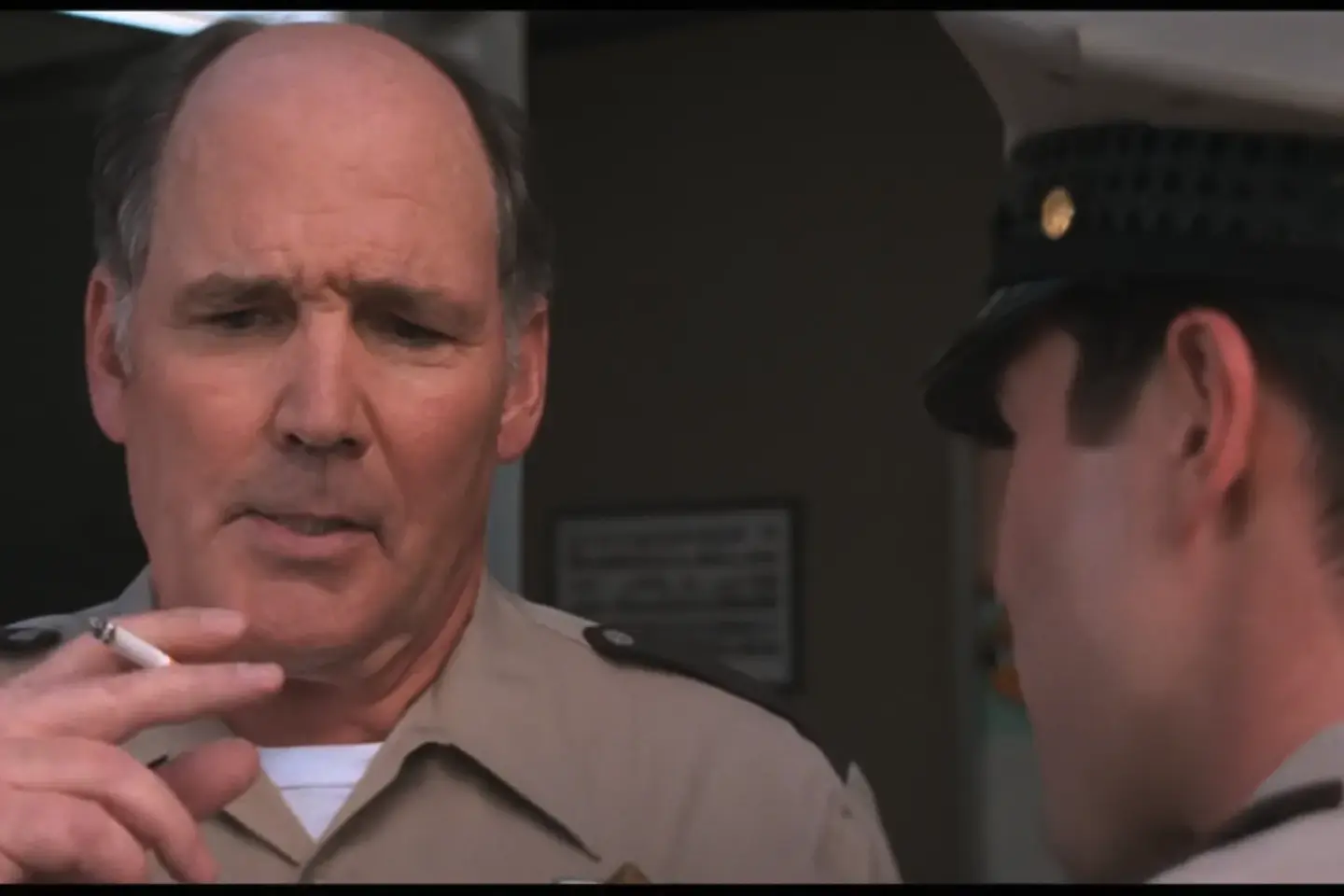
There’s something almost timeless about the way a character, lost in thought or tension, takes that last drag and lets the cigarette fall to the ground, pressing it out with a quiet twist of the foot. On screen, it can mean so many things: a silent rebellion, a shrug of indifference, or simply the closing of a conversation. Yet, beneath the surface, this small gesture hints at how we treat the spaces we all share. I find myself wondering: when these moments slip from film into daily life, what do they say about us? And how might we, as storytellers and watchers, imagine something different?
A Symbol of Rebellion or Carelessness?
For as long as I can remember, films have used the image of a cigarette ground into the pavement as a kind of silent language. It’s a gesture that speaks of rebellion, of toughness, or of someone who has stopped caring. We’ve all seen it: the detective in the rain, the outsider leaning against a wall, the lover left behind. Each one lets their cigarette fall, as if the world beneath their feet is just another backdrop to their story.
No one in these stories seems to notice, or if they do, they say nothing. The act fades into the scenery, quietly suggesting that not caring for our surroundings is just part of the script—maybe even something to admire.
From Silver Screen to Our Streets: Influence on Audiences
Films do more than entertain us; they quietly shape the edges of what we see as normal. Sometimes, especially when we’re young, we absorb these small gestures, copying what goes unnoticed or what our heroes do without consequence.
When we see our heroes, or even those we love to hate, flicking away their cigarettes again and again, it starts to feel ordinary—just another part of life, barely worth a second thought.
Environmental Impact – Fiction Meets Reality
But outside the glow of the screen, cigarette butts are everywhere. They gather in gutters, drift into rivers, and quietly release their poisons into the places we all depend on. What looks so small in a film becomes, in the real world, a problem that touches every corner of the globe.
The ease with which these moments play out on screen feels so different from the reality: streets littered, parks less welcoming, and animals harmed by what we leave behind.
Changing the Script
I sometimes wonder if filmmakers have noticed this pattern. While some are more aware of how smoking looks on screen, the simple act of tossing a cigarette aside often goes unnoticed. It’s rare to see a character pause, searching for a place to put out their cigarette, or to see anyone question the habit at all.
However, there’s growing recognition that every on-screen action carries weight. Some filmmakers now depict more responsible habits, or use littering to signal a character’s flaws rather than their coolness.
Reimagining the Scene
What if we imagined something different? Maybe a character, caught in their own storm, still finds a moment to care for the world around them. Or perhaps someone notices when a cigarette hits the ground, and with just a look or a word, reminds us all that our habits matter.
Small changes like these don’t take away from the story. If anything, they add depth, reminding us that caring for the places we share can be just as powerful as any act of rebellion.
Conclusion
Stories on screen shape the world we live in, often in ways we barely notice. A cigarette pressed into the pavement might seem like nothing, but over time, these moments linger. If we pay attention and imagine new ways of being, maybe we can help shape what it means to be cool, to be bold, or simply to care—one scene at a time.