
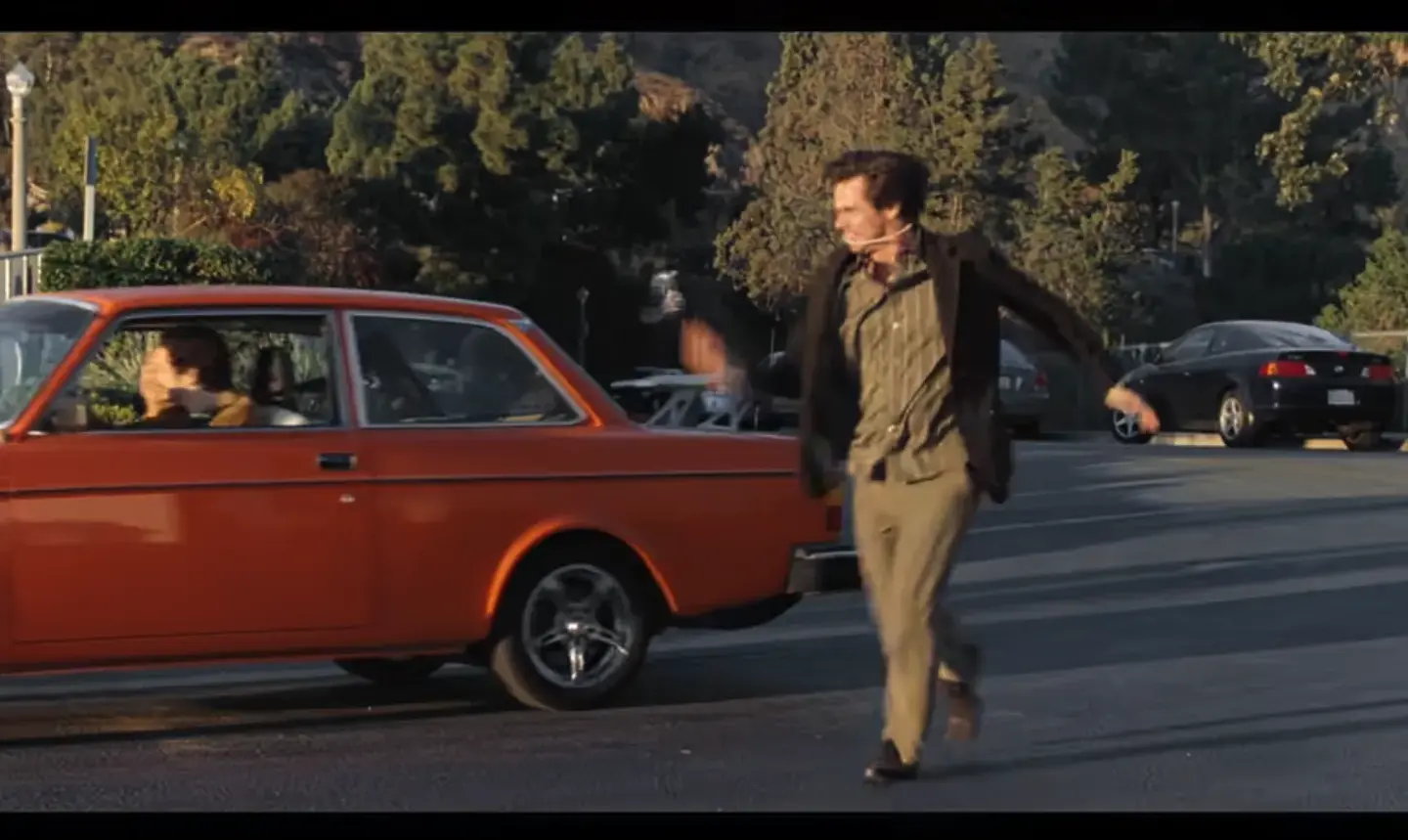
If you have ever watched a film with the sound turned off, you might notice what the camera is quietly saying, beyond the words and music.
Without the dialogue, the music, or the famous faces, something else comes into focus. People on screen rarely finish what they start. A drink left half full, a sandwich wrapper tossed without a thought. Car doors close, takeout bags are abandoned on the street. Cigarette butts flick through the air, landing in clean gutters, green parks, and shining roads, as if it is nothing at all.
These small gestures do not seem cruel or angry. They are not the marks of a villain. Instead, they quietly become a sign of being relaxed, in control, or just a little bit rebellious.
For young people watching, these habits in the background can speak louder than any warning. Culture is not just entertainment. It slowly shapes what we think is normal, what we accept, and even what we admire.
Teaching bad examples
Children and teenagers notice patterns before they know the rules. They watch how people move through the world. They look to those who seem sure of themselves, those who are admired.
In many films today, being careful is shown as boring or nervous. The person who looks for a bin, sorts their recycling, or carries an empty cup is often seen as fussy or anxious.
The hero, on the other hand, ignores the small things. They are busy with bigger dreams—saving the day, chasing love, or fighting for justice. Taking a moment to find a bin would slow them down. Throwing something away without care becomes a sign that their story matters more than the world around them.
When a movie star lets something drop to the ground, it is not just about litter. It is a way of letting go of the rules. For young people searching for belonging, that kind of freedom can look tempting.
Humans pick up on everything.
Psychologist Albert Bandura demonstrated decades ago, with the famous Bobo doll experiment, that children do not need direct instruction to adopt complex social behaviours. They learn through observation, imitation, and perceived reward. (Editorial, 2026)
When a movie star is careless on screen, the reward is already there, hidden in the story itself:
- The Framing: High-contrast lighting, slow-motion choreography, and an intimate close-up make every motion feel momentous.
- The Social Approval: Surrounding characters rarely call out the relaxed drop. The narrative moves on without consequence.
- The Emotional Alignment: The audience is already primed to empathise with the actor, internalising their habits alongside their victories.
Culture reflects who we are. When films and shows treat public spaces as if they do not matter, it becomes easy to think that carelessness is normal. Young people notice these things, not from what is said, but from what is quietly shown. If the people we look up to can leave a mess behind, why should anyone else feel responsible?
Filmmakers and actors should be responsible.
It is easy to brush off the idea that filmmakers should think about culture. No one wants a dramatic moment interrupted by a lesson. Stories need to feel real, with all their mess and flaws. But small, thoughtful choices do not have to get in the way. A character can pause to throw something away, or finish a drink and set the cup down, all while staying true to who they are. These little actions can show just as much about a person, letting care for the world become part of the story, quietly and honestly.
Making culture less careless does not mean stories have to be perfect or boring. It simply means paying attention to what our choices say to those who are watching.
For years, tobacco companies knew that showing a Hollywood star with a cigarette was worth millions in advertising. That simple gesture had real social impact. When the industry finally admitted this, smoking on screen didn’t go away, but it became a choice for specific characters, not just a default look. Ratings boards began to consider tobacco use when evaluating films, and public health initiatives brought more awareness to the influence of on-screen smoking. These changes did not erase cigarettes from cinema. Still, they encouraged creators to think twice about who smoked and why, proving that industry guidance and cultural transformations could reshape long-standing habits. (Lum et al., 2008, pp. 313-319)
Maybe it is time to look at casual littering and how we treat the world around us with the same careful attention.
Writers and directors might ask whether a character tossing a plastic bottle from a car truly adds anything, or if it is just something we have seen too many times.
True independence is not about leaving messes for others. Real independence is not about leaving problems for others. Showing characters who care about their world, but still have spirit, can challenge the old idea that caring is boring. When carelessness is met with a quiet wince, just as it would be in real life, the story feels closer to the world we know, often without us knowing it. For young viewers watching on their phones or in dark cinemas, every scene quietly hints at how to act in the world. We cannot be surprised when younger generations find it hard to care for their communities. Changing that story does not require lectures or perfect characters. It simply asks creators to see that every casual drop, flick, and toss on screen leaves a mark that lingers long after the credits roll.
If you are a student, a filmmaker, or someone who tells stories with images, take a moment to look at your work. How do you show care, or carelessness, for the places we all share? Could you let a character pause to pick up litter, or find a new way to challenge old habits, without losing the heart of your story? Sometimes, responsibility can be just as powerful as rebellion. With each small choice, you can help move culture in a new direction, one scene at a time.
References
Editorial, S. P. (2026). The Bobo Doll Experiment: What Bandura Actually Demonstrated. Simply Psychology. https://www.simplypsychology.com/articles/bobo-doll-experiment-social-learning
Lum, K., Polansky, J., Jackler, R., & Glantz, S. (2008). Signed, Sealed and Delivered: ‘Big Tobacco’ in Hollywood, 1927–1951. Tobacco Control 17(5), pp. 313-319. https://doi.org/10.1136/tc.2008.027501